Charoset Recipe for Passover: Easy, Traditional, and Flavorful
Charoset is one of the most meaningful dishes on the Passover Seder plate. This sweet, spiced mixture of fruits and nuts represents the mortar the Israelites used in Egypt while enslaved. Beyond symbolism, it’s a versatile, flavorful, and simple dish that can be customized to fit any family tradition or dietary need.
Whether you’re looking for a traditional Ashkenazi charoset recipe, a Sephardic charoset recipe with dates, a nut-free charoset, or a charoset recipe without wine, this guide provides step-by-step instructions, tips for perfect flavor, and answers to the most common questions.
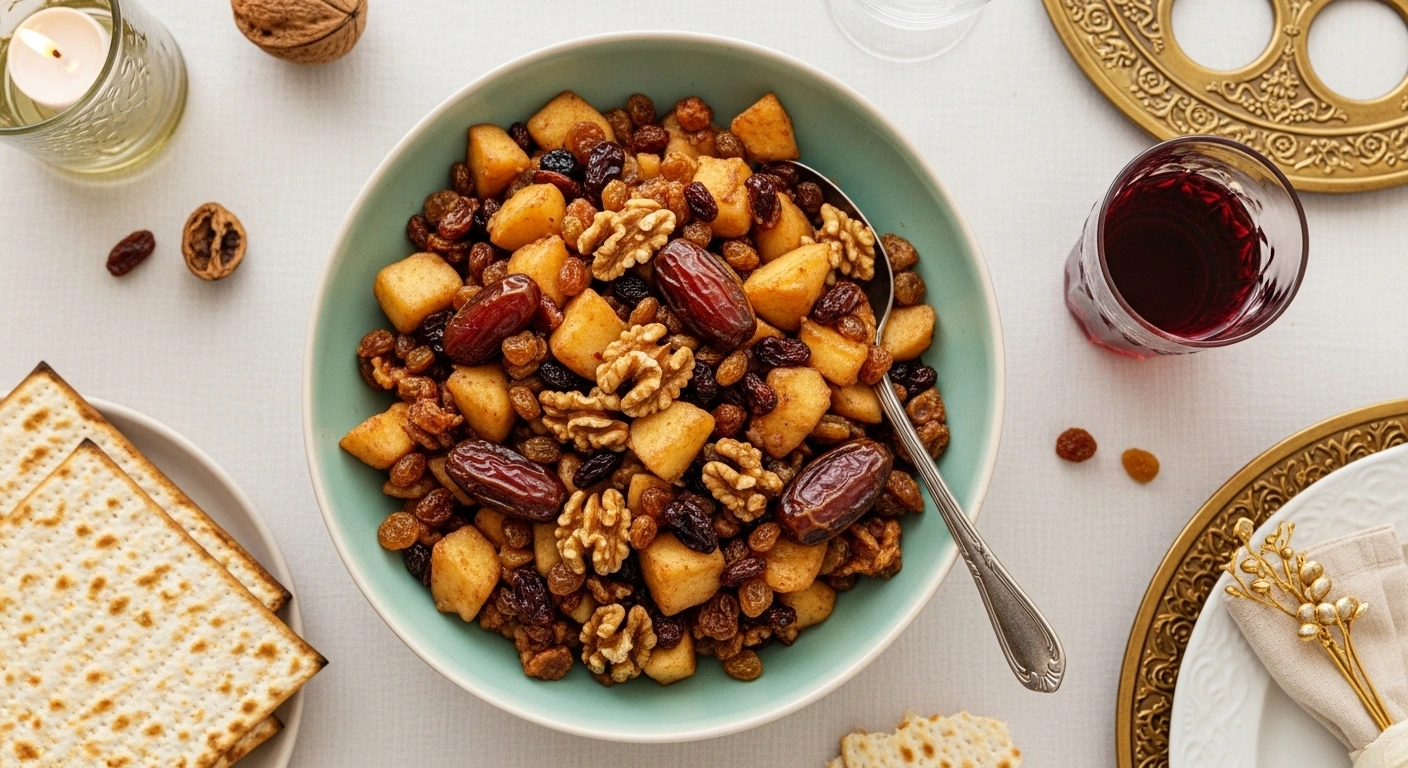
Why This Charoset Recipe for Passover Stands Out
- Quick and Easy: Most recipes take under 15 minutes to prepare, making this a charoset recipe easy enough for busy households.
- Traditionally Inspired: Covers Ashkenazi charoset recipes, Sephardic charoset recipes, and Moroccan charoset recipes, offering a full spectrum of flavor.
- Customizable: Options include nut-free charoset recipes, charoset without wine, and kid-friendly charoset recipes.
- Flavorful and Balanced: Sweet, tart, crunchy, and spiced—perfect for pairing with matzo or as a component in charoset salad recipes or charoset balls recipes.
This recipe collection is designed for anyone who wants the best charoset recipe for Passover, whether you are preserving family tradition or experimenting with modern twists.
Essential Ingredients in Charoset
Every great charoset relies on high-quality, complementary ingredients:
- Apples: Usually Granny Smith, Fuji, or Pink Lady. Crisp apples provide tartness and a firm texture. You may peel or leave the skin on for color and fiber.
- Nuts: Walnuts, almonds, or pecans provide crunch. For a nut-free charoset recipe, sunflower seeds, pumpkin seeds, or tahini can substitute.
- Dried Fruit: Dates, figs, raisins, or apricots are essential for Sephardic charoset recipes. They contribute natural sweetness and chewy texture.
- Spices: Cinnamon, cloves, nutmeg, or cardamom balance sweetness and add warmth.
- Sweetener: Honey, maple syrup, or sugar can be used. Some recipes rely on the natural sugar in dried fruits.
- Wine or Juice: Traditional Ashkenazi charoset recipes often include kosher sweet wine, while charoset recipes without wine substitute orange juice or grape juice.
Traditional Ashkenazi Charoset Recipe
This classic version is widely recognized and cherished across European Jewish households.
Ingredients:
- 2 medium apples, peeled, cored, and diced
- 2 cups chopped walnuts
- 1 teaspoon ground cinnamon
- 2–3 tablespoons sugar or honey
- 1/3 cup sweet kosher wine or grape juice
Instructions:
- Place apples and walnuts in a large bowl.
- Add cinnamon, sugar, and wine. Stir well to combine.
- Refrigerate for 30 minutes to let flavors meld.
- Serve with matzo, in Hillel sandwiches, or in charoset balls recipes.
This recipe is a traditional charoset recipe, easy to prepare, and offers a perfect balance of sweet, tart, and crunchy textures.
Pink Salt Trick Recipe — Boost Hydration, Digestion, and Morning Energy Naturally
Sephardic Charoset Recipe with Dates and Dried Fruit
The Sephardic charoset recipe emphasizes dried fruits, nuts, and aromatic spices for a deeper, more complex flavor.
Ingredients:
- 1 1/2 cups dry red wine (or orange juice for charoset without wine)
- 1 cup raisins
- 1/2 cup chopped Medjool dates (charoset recipe with dates)
- 1/2 cup chopped dried apricots
- 1/2 teaspoon cinnamon
- 1/4 teaspoon cloves
- 1 cup roasted almonds, chopped
- 1 teaspoon orange blossom water (optional)
Instructions:
- Simmer wine or juice with raisins, dates, apricots, cinnamon, and cloves until the fruits are plump.
- Roughly chop almonds and mix with fruit.
- Stir in orange blossom water if desired.
- Serve warm or at room temperature. Refrigerate to improve flavor.
This Sephardic charoset recipe is forgiving, flavorful, and ideal for making charoset salad recipes or charoset balls recipes.
Nut-Free Charoset Recipe
Perfect for children, guests with allergies, or schools and community Seders:
Ingredients:
- 2 medium apples, diced
- 1/2 cup sunflower seeds, lightly toasted
- 1/4 cup raisins
- 1 teaspoon cinnamon
- 1/3 cup orange juice
Instructions:
- Combine all ingredients in a bowl.
- Pulse briefly in a food processor to achieve a chunky texture.
- Chill for 30 minutes before serving.
This nut-free charoset recipe is naturally sweet, soft, and easy to serve for kid-friendly charoset recipes.
Creative Charoset Variations
- Charoset Balls Recipe: Shape Ashkenazi or Sephardic charoset into bite-sized balls. Coat lightly with cinnamon or cocoa. Perfect for snacks and kids.
- Charoset Salad Recipe: Mix apples, nuts, dates, and a splash of orange juice for a light, refreshing side dish.
- Charoset Apple Recipe: Focuses on crisp apples and cinnamon for texture.
- Charoset Date Recipe: Highlights dates as the central ingredient for natural sweetness and chewiness.
Tips for the Best Charoset Recipe
- Chill for Flavor: Refrigerate for at least 30 minutes, or overnight for deeper flavors.
- Maintain Texture: Charoset should remain slightly chunky; avoid overprocessing.
- Choose the Right Apples: Granny Smith, Fuji, or Pink Lady offer optimal texture and tartness.
- Toast Nuts: Enhances flavor and prevents a soggy charoset.
- Adjust Sweetness: Taste before serving; dried fruits or added sugar can be adjusted.
- Experiment: Try Moroccan charoset recipes with cinnamon, orange zest, and nutmeg for a warm, aromatic variation.
Serving Suggestions
- Spread on matzo or in Hillel sandwiches for the Seder plate.
- Serve as a side in a charoset salad recipe.
- Shape into charoset balls recipe for party snacks.
- Pair with fresh fruit or yogurt for modern, festive desserts.
Frequently Asked Questions
What ingredients are in charoset?
Charoset typically contains apples, nuts, dried fruits, spices, and a sweetener. Wine or juice adds moisture. Variations include charoset recipe with dates, charoset recipe without nuts, or charoset recipe without wine.
Should you peel apples for charoset?
Peeling is optional. Keeping the skin adds color and fiber, while peeling creates a smoother texture.
What does charoset taste like?
It’s sweet, slightly tart, lightly spiced, and pleasantly textured with crunchy and soft elements.
How long will charoset keep in the fridge?
Refrigerated charoset lasts 3–5 days. Apples may discolor slightly, but the taste remains excellent.
Should I use walnuts or pecans in charoset?
Walnuts are traditional in Ashkenazi charoset, while pecans or almonds can be used. For nut-free charoset recipes, use sunflower seeds or tahini.
What wine is best to use for charoset?
Sweet kosher wines like Manischewitz or Concord grape wine are traditional. For a charoset recipe without wine, orange juice or grape juice works well.


